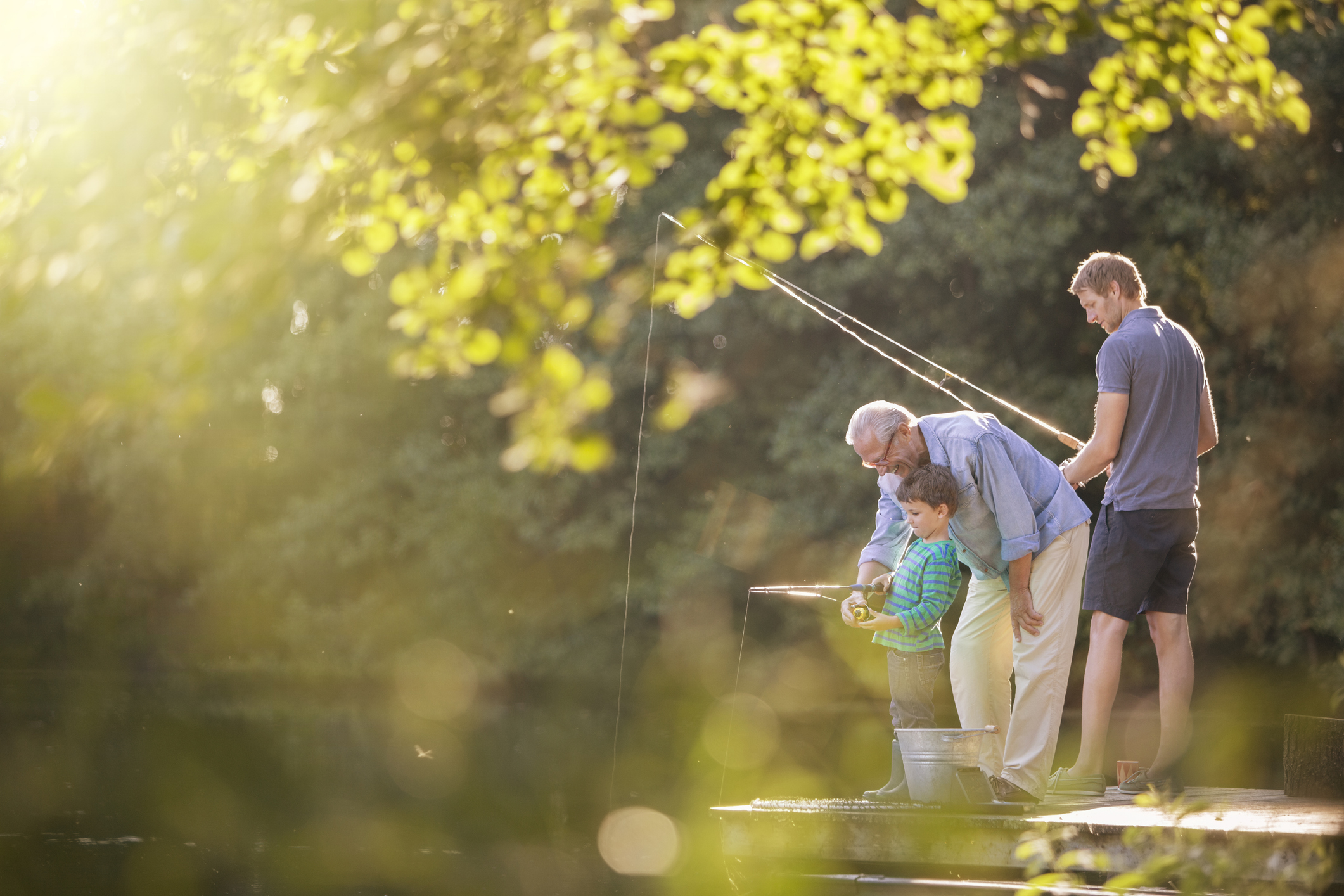
There are many things to consider when planning a fishing trip besides the usual items like clothes and toiletries, like where you’ll be fishing, what tackle will be available, and what you’ll do if something goes wrong two hours away from the nearest tackle shop.
Make sure you have the basics down first. If you are flying, investing in a good rod holdall is worth the money. Fishing and airline policies can be a challenge, and it’s a terrible way to kick off a trip to have a broken rod. Do some research on the airline policies when you book your tickets.
Pack extra reels, line, and tackle because you will lose some on snags, fish, and tangle accidents. Bring more line than you think you’ll use and more lead and hooks than you think you’ll need. On a long trip, running out of hooks, line, or tackle on the essentials can really take a toll on your fishing and the fun. Tackle doesn’t have to be an ordeal.
What clothes you take fishing depends on what time of year it is and what your fishing destination is, but generally, layering as an approach works for all fishing spots. A good, proper waterproof fishing suit is key. It needs to withstand a full day’s fishing in the pouring rain. A good thermal base layer, a fleece and a good hat cover the rest of most scenarios.
A fishing trip is not the same without a bite alarm, a head torch with spare batteries, a unhooking mat, some forceps and a net. These things are easy to forget and hard to be without while fishing. It is important to write a checklist and check it while packing to ensure you have all your gear.
You also need to plan what to bring to eat and drink on the trip, especially if you are fishing on the bank because you can’t leave your rods to go on a food run. A good bite to eat, a good pack of snacks and a cool bag for your lunch can be the difference between nice fishing and miserable fishing. A good fishing session relies on a good pack up.